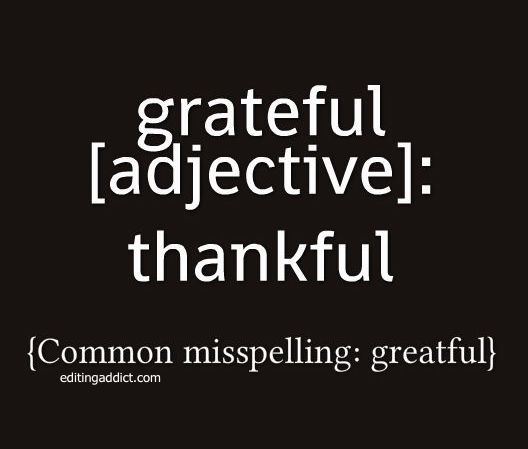
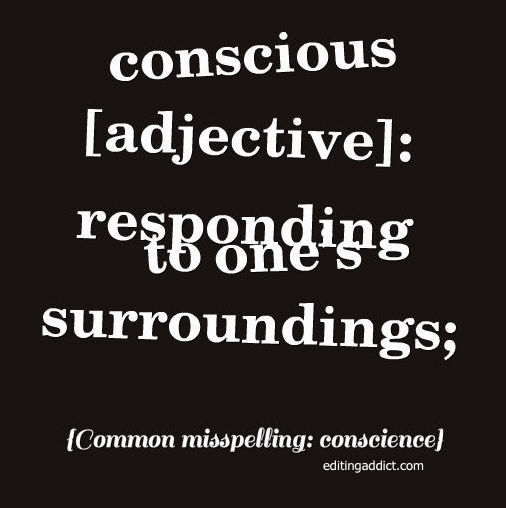
grateful [adjective]: thankful
{Common misspelling: greatful}
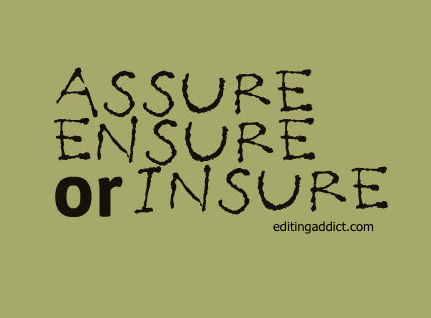
“Assure…conveying the action of putting someone’s mind at ease….
Ensure used to convey the action of securing or guaranteeing an outcome or development….
Insure…to talk about providing or obtaining insurance….”
[read more about it on blog.dictionary.com]

“…The answer is piqued—and here’s why: Pique means “to excite (interest, curiosity, etc.)…
….A peak, on the other hand, is the pointed top of something, such as a mountain. When speaking figuratively, a peak is the highest or most important point or level….
…Peek means “to look or glance quickly or furtively, especially through a small opening or from a concealed location”…”
[read more about it on blog.dictionary.com]

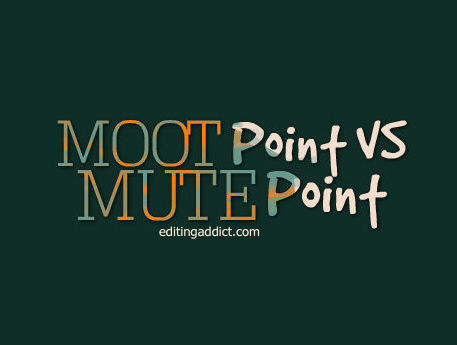
“The correct phrase is moot point. A moot point can be either an issue open for debate, or a matter of no practical value or importance because it’s hypothetical…
…The word mute means “silent; refraining from speech or utterance,” and the pairing mute point has no canonized meaning in standard English….”
[read more about it on blog.dictionary.com]
Just because English says you CAN write something…doesn’t mean you SHOULD.
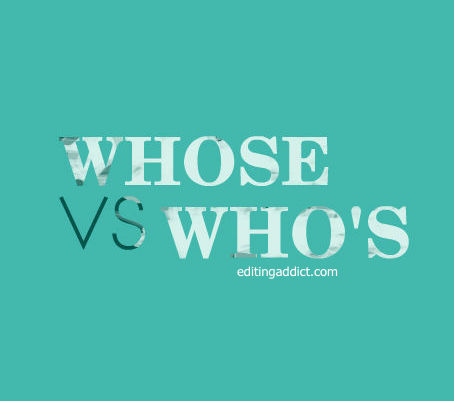
“Whose and who’s are commonly confused terms because they sound alike. Luckily, the distinction between them is relatively straightforward.
“Who’s is a contraction of who is or who has…”
“…whose is a possessive pronoun….”
[read more about it on blog.dictionary.com]

Glimpse inside the mind of a contemporary philosopher...
reciprocity
The Life of a Teenage-Traveler
Plus ça change, plus c'est la même chose / The more things change, the more they stay the same
writer & mother, feeding my dream and my family
AWAKENING THE SLEEPING READERS
A blog full of humorous and poignant observations.
The only thing worse than being 'blind' is having a Sight but no Vision
A contrast between elegance and grunge.
The strings of my life’s soulfulness in the beauty of eternity.
Adult & YA Romantic Fantasy Author
A topnotch WordPress.com site
Think upon your thoughts and it will take you higher
Words of Wonder, Worry and Whimsy
Finding the Light in the Darkness and the Darkness in the Light
A vacant mind and lost thoughts




 Editing Addict, LLC